Author’s Page
Discover how God is raising up modern‑day bridge builders on “Becoming Bridge Builders” with host Keith Haney. This YouTube channel features powerful conversations with transformational leaders who are living out their faith by healing divides, uplifting others, and reflecting Christ’s love in a hurting world.
"Bridges aren’t built by agreement—they’re built by the courage to understand."

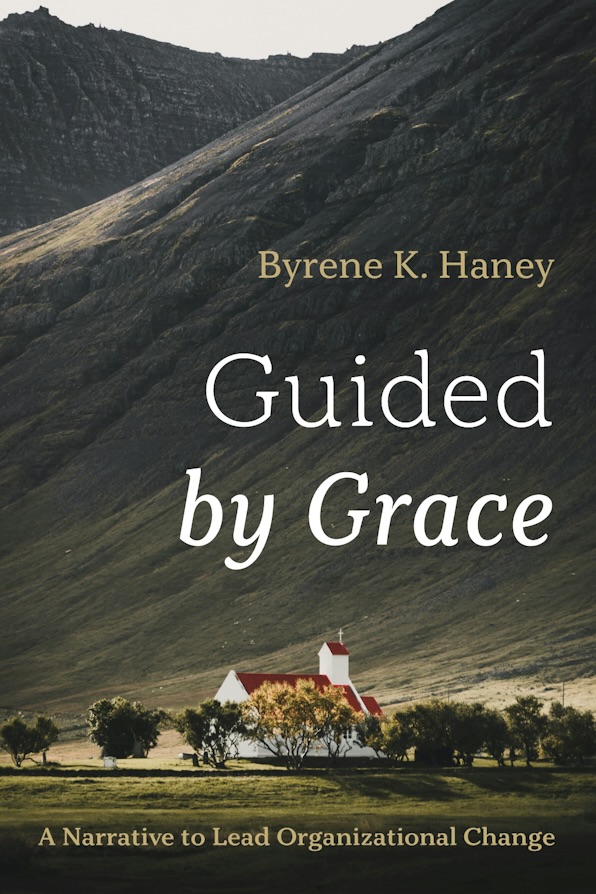
Guided By Grace - Calvary Church stands as a beacon of faith in the quaint town of Oakridge. Its imposing edifice is a testament to over seven decades of spiritual endurance. Yet the once-vibrant congregation has dwindled and stagnation hangs in the air. Into this uncertainty steps Pastor Terrance, a young man brimming with energy and a fervent desire to reignite the flames of devotion. Freshly ordained and armed with seminary knowledge, Terrance faces the challenge of shepherding a congregation resistant to change. Tradition holds firm; the refrain "we have always done it this way" echoes through the hallowed halls. Terrance finds an unlikely ally in Merle, a stalwart member whose family helped found the church in 1947. Together, they embark on a journey to breathe new life into Calvary Church. Through biblical narratives and unwavering faith, Terrance weaves a story that resonates with the hearts of the faithful. Slowly, the congregation opens its hearts, embracing the transforming power of collaboration and vision. As new programs and outreach efforts take root, Calvary Church emerges as a vibrant, flourishing community. The journey is long and arduous, but the rewards are immeasurable--a testament to the enduring power of faith, perseverance, and willingness to embrace change.
Flourishing Organization
A transformed church is one where people are actively growing, barriers are replaced with open doors, and the collective momentum builds a legacy that outlasts any single generation.
Down the Rabbit Hole
"You take the blue pill, the story ends... You take the red pill, you stay in Wonderland, and I show you how deep the rabbit hole goes." - Morpheus, The Matrix
Let’s be honest: looking at the news lately feels like tumbling down a rabbit hole into a world that has completely lost its bearings. Up is down, wrong is right, and common sense has become a rare commodity.
This platform isn't about escaping reality or shouting into the echo chamber. It’s about adding Biblical common sense to the absurdity. We are pulling back the curtain on cultural chaos, challenging the status quo, and digging beneath the surface of today's headlines. You won't just find critiques here—you will find anchor points. Through rigorous analysis, unfiltered conversations, and timeless, Bible-based principles, we provide practical blueprints for navigating a shifting world with confidence, clarity, and faith.
The ride might get bumpy, and your assumptions will be challenged. But if you’re looking for truth over noise, you’re in the right place. Stick around for the ride.
The Three Pillars of Content
To turn this vision into a functional website, the content can be organized into three distinct tracks for your audience:
The Blueprint (Cultural Analysis): Dismantling the most complex, absurd, and divisive issues of the day using standard logic, history, and a solid biblical worldview. This is where we deconstruct the "matrix" of modern culture.
The Architects (Thought-Leaders & Experts): Deep-dive interviews with executives, theologians, changemakers, and field experts. We bring in the people who aren't just talking about the problems, but are actively building bridges and leading organizational and cultural transformation.
The Toolkit (Practical Solutions): Faith isn't passive. This section focuses on actionable, real-world application—how to lead your family, your church, or your organization with emotional intelligence, grace, and unwavering truth when the world around you feels upside down.
.

The Target Audience Identity
The Exhausted Truth-Seeker.
They are tired of superficial soundbites, political theater, and rigid polarization. They feel the cultural shift deeply, want to engage with it intelligently rather than hiding from it, and are hungry for leaders who offer clarity, courage, and actionable steps forward.
The Call-to-Action
Don't navigate the rabbit hole alone. Get weekly insights, expert interviews, and practical faith-based solutions delivered straight to your inbox.
What the 2026 Church Giving Reports Tell Us About Generosity Today
New data from the 2026 Church Giving Reports highlights how digital tools and mobile payments are driving modern generosity. Discover key findings across Protestant and Catholic congregations, along with a Lutheran theological perspective on keeping the Gospel—not technology—at the center of Christian stewardship.
Parable of the Two Sons: Lip Service vs. Active Faith
Religious respectability is not the same thing as active faith. Grounded in Matthew 21:23–32, Rev. Dr. Keith Haney explores the Parable of the Two Sons, challenging us to move past performative compliance, stop managing our image, and actually show up to do God’s work in the vineyard.
Bridging the Gap: A Practical Discipleship Framework for Church Leaders
Churches rarely lack programs, inspiring sermons, or good intentions. What they lack is a repeatable framework to bridge the gap between Sunday inspiration and Monday transformation. Discover a practical, four-pillar discipleship model—Tables, Digital, Stewardship, and Sent—designed to equip church leaders to cultivate a multiplying, whole-life discipleship culture.
When Machines Write Faster Than Teachers Can Think:
Generative AI is not just a plagiarism problem—it’s a formation challenge. Discover how classical Lutheran education can navigate AI with wisdom and purpose.
Two Shifts Every Pastor Should See: Young Men Are Coming Back — and Church Size Is Polarizing
Recent Lifeway Research highlights two major trends reshaping local congregations: a surge of young men returning to church seeking grounded community and spiritual clarity, and a growing structural division between expanding megachurches and neighborhood-focused congregations. Discover what these shifts mean for pastoral leadership and effective discipleship
Unlocking Business Success by Serving the Aging Population
As the aging population grows, so does the demand for dependable senior care services. Explore how to turn elder-care needs into viable, sustainable businesses that support families and earn long-term trust.
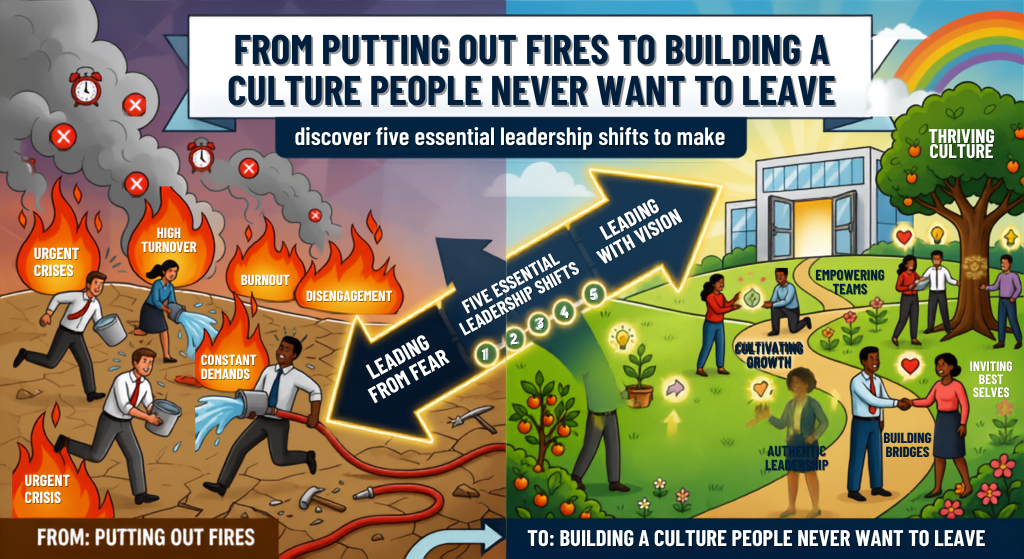
From Putting Out Fires to Building a Culture People Never Want to Leave
Reacting to turnover with quick fixes and panicked perks won’t heal what’s underneath your team. To move from reactive firefighting to a culture where your top talent chooses to stay, discover five essential leadership shifts—from emotional regulation to coaching—that build lasting trust and alignment.
Finding True Meaning in a Distracted World
With so much focus on hustle and productivity, it can be hard to find real meaning. Here are four practical, faith-based ways to help you move past daily distractions and live out your Kingdom purpose.
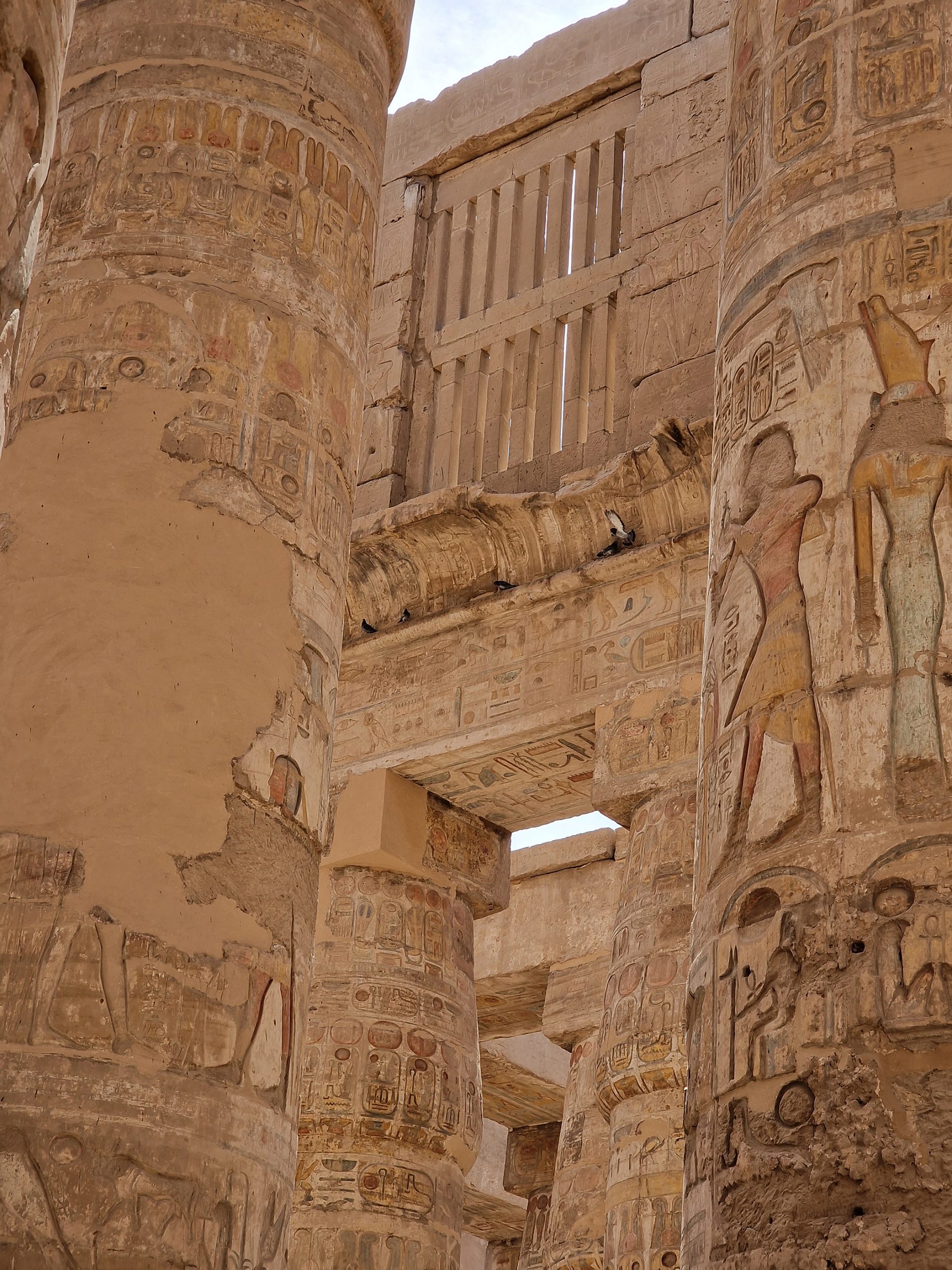
When the River Can’t Save You
It’s easy to rely on our savings, reputations, or plans for security—but as the story of ancient Thebes reminds us, earthly safety nets are always temporary. Explore how true, unshakable security is found not in what we can build or control, but in where we place our trust.
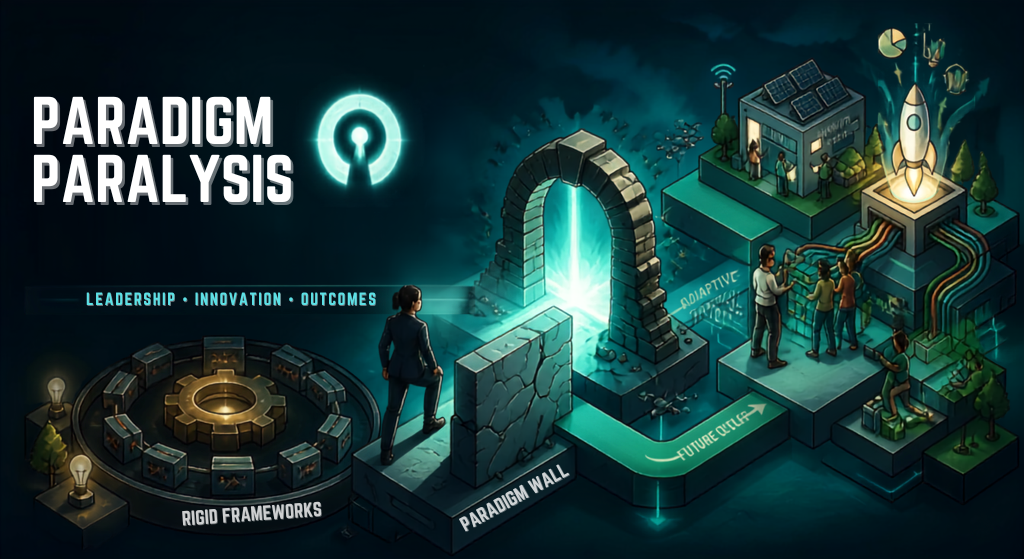
The Quiet Trap That Holds Leaders Back:
Have you ever wondered why innovative ideas get shot down before they even have a chance to breathe? Discover how paradigm paralysis subtly erodes leadership and what you can do to break free.
The Closing Manifesto
The Choice Is Yours.
We live in a world that asks us to blindfold ourselves, swallow the narrative, and accept the chaos as the new normal. You can keep scrolling through the noise, feeling the weight of the absurdity, and wondering when things lost their way.
Or, you can choose a different path.
You can decide to anchor yourself in timeless truth. You can choose to equip your mind with logic, steel your heart with scripture, and stand alongside leaders who are actively building bridges instead of walls.
The rabbit hole is deep, but you don’t have to navigate it alone. Step out of the matrix of modern confusion. Unplug from the echo chamber, tune into clarity, and let’s find the answers together.
Take the red pill. Wake up to reality. Stick around for the ride.
.

"Do not conform to the pattern of this world, but be transformed by the renewing of your mind." — Romans 12:2
Growth doesn't happen in a comfort zone, and truth is rarely found in an echo chamber.
If you are looking for a safe space that simply rubber-stamps your existing biases, tells you exactly what you want to hear, and provides cheap validation for your political or theological tribe, you are going to be uncomfortable here.
In the rabbit hole, we embrace friction. Not for the sake of being argumentative, but because friction is the only way to sharpen iron.
Here is what it means to experience intellectual and spiritual friction on this platform:
Dismantling the Idols of Partisanship: Modern culture demands total allegiance to rigid, polarized tribes. We are told we must accept an entire package of beliefs—hook, line, and sinker—or risk being canceled. We reject that entirely. We replace superficial political theater with a raw, counter-cultural pursuit of truth that answers to a higher authority than a political party.
Challenging the Status Quo: We are going to poke at the "sacred cows" of our culture. Expect your assumptions to be cross-examined, your cultural blind spots to be exposed, and your perspective to be stretched. We dig past the surface of today’s absurd headlines to ask why we believe what we believe.
.
Join
Work With Me
What the 2026 Church Giving Reports Tell Us About Generosity Today
New data from the 2026 Church Giving Reports highlights how digital tools and mobile payments are driving modern generosity. Discover key findings across Protestant and Catholic congregations, along with a Lutheran theological perspective on keeping the Gospel—not technology—at the center of Christian stewardship.