

Recognizing and Overcoming Paradigm Paralysis
If you’ve ever sat in a leadership meeting, you’ve probably heard the call for innovation. We talk about disruptive thinking, brainstorm new ideas, and encourage our teams to think outside the box.
But when a truly bold idea finally lands on the table, something strange happens. The organization’s defenses quietly rise up, and the idea is dismissed before it has a chance to breathe.
This isn’t just about being resistant to change. It’s something deeper—a quiet force I call paradigm paralysis.
Paradigm paralysis shows up when we get so attached to what has worked before that we can’t see new possibilities right in front of us. It’s subtle, and it quietly erodes our ability to adapt and grow.
So how do you know if this is happening in your own team or organization? Here are four signs I’ve seen that can help you spot paradigm paralysis before it takes root:
1. Paradigm Paralysis and the Comfort of the Status Quo
You’ll notice this when people quietly agree, "This is just how we do things around here."
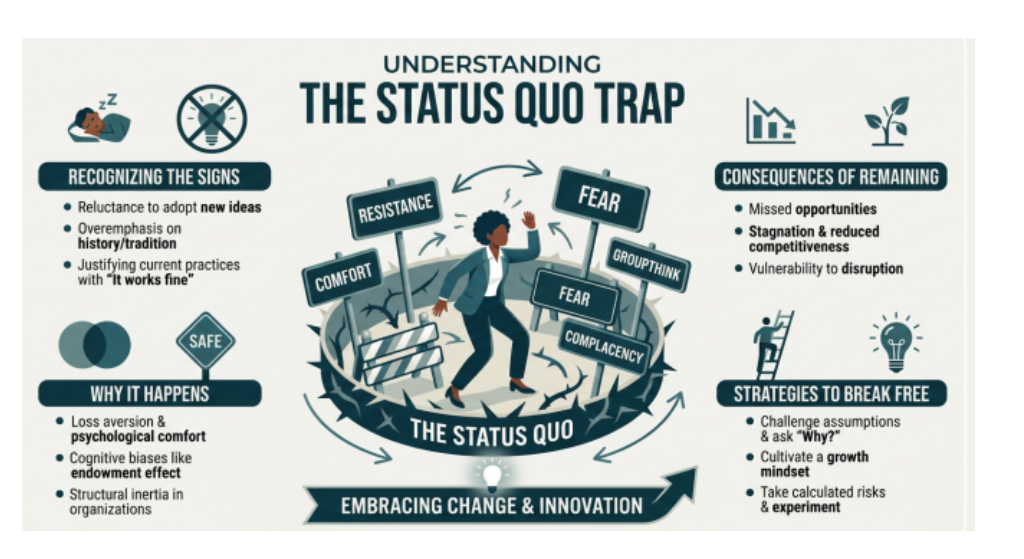
When this mindset settles in, a few things start to happen:
- Comfort wins out over growth. People stick to what they know, solving problems the same old way.
- Process becomes more important than results. The routine matters more than the outcome.
- Conformity is valued over curiosity. Asking why we do something is seen as rocking the boat, not as showing initiative.
When being efficient matters more than actually solving real problems, it’s a sign that our systems have become walls instead of bridges.
2. Getting Stuck in the Framework
Most of the time, it’s not a shortage of ideas that holds us back. It’s the invisible rulebook we’re afraid to question.
In a culture stuck in its ways, new solutions that don’t fit the usual mold are often dismissed before anyone really considers them. It feels like we’re making smart, careful decisions, but really, we’re just protecting our comfort zone.
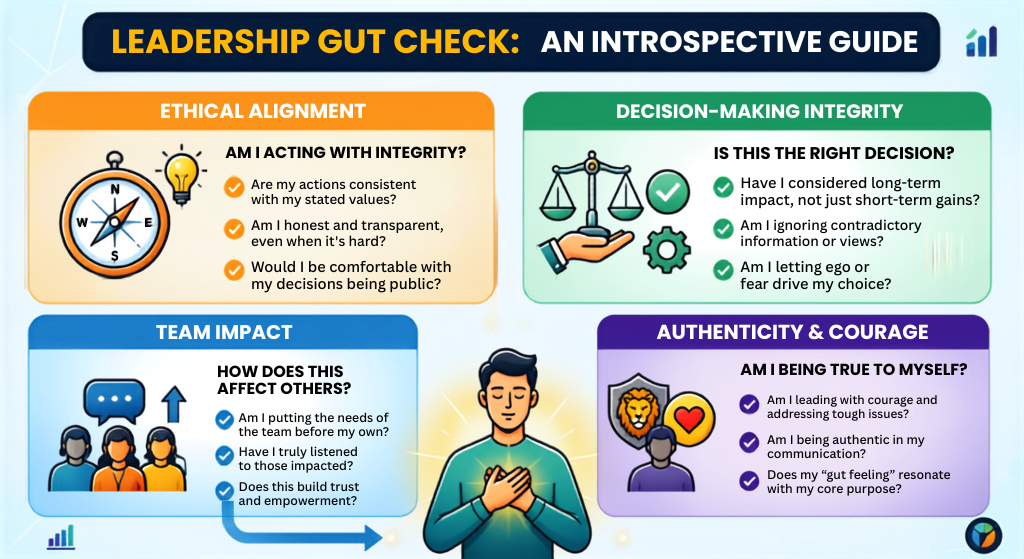
Here’s a gut-check: If your strategy only works when you follow the same old rules, you’re not really innovating. You’re just making the old way last a little longer.
3. Missing the Real Problem
The most dangerous version of this is when leaders don’t even see the real problem, so breakthrough solutions look unnecessary or even strange.
If our perspective doesn’t include the real issue, any new idea that addresses it can seem out of place or even foolish. That’s when we’re most likely to dismiss something that could actually help.
Key Question to Ask: If you find yourself instantly dismissing a new idea as "useless" or "pointless," stop and ask: Am I dismissing the solution, or am I blind to the problem it solves?
4. Letting Identity Hold You Back
Nostalgia can be comforting, but it’s a poor guide for the future.
When we let our history or sense of identity decide our next steps, we risk losing sight of what really matters. Sometimes we keep doing something just because it’s what we’ve always done.
It’s important to stay true to our core values; in a church, that means our solid biblical foundations, but holding on to old habits just because they feel familiar can keep us from growing. Our identity is about the value we bring today, not just the tools we used in the past.
Breaking Free from Paradigm Paralysis
Noticing these signs is the first step. Building a resilient, future-ready team means choosing to stay flexible and open to new ways of thinking.
- Make it a habit to challenge your assumptions. Ask your team, "If we were starting fresh today, would we do it this way?"
- Keep your mission at the center, but be willing to let go of old methods that no longer serve you.
- Celebrate curiosity. Make it safe for people to bring up ideas that don’t fit the usual mold.
Don’t let yesterday’s playbook become tomorrow’s prison. Stay open, listen to voices that see things differently, and be willing to challenge your own comfort zone before someone else does it for you.
Additional Articles on the topic:
For Innovation & Organizational Strategy
- Article: Paradigm Paralysis: The Most Pervasive Barrier to Industrial Innovation (Quality Magazine)
- Defining the Concept & Research Article: Paradigm Paralysis – The Oxford Review