

There are days when the headlines, our personal lives, or the sheer weight of ministry make it look like the enemy is winning. We look around and see a world closing in, and like Elisha’s servant, our default human reaction is panic: 'Alas, my master! What shall we do?' (2 Kings 6:15). To navigate these moments, we must look past outward appearances and anchor ourselves in a confessional Theology of the Cross.
It’s a classic manifestation of what Martin Luther called a Theology of Glory—we try to judge God’s favor based on what we can see, measure, and calculate with our human eyes. And when we are surrounded by an army of horses and chariots, our eyes tell us we are doomed.
But the narrative of 2 Kings 6 invites us into a radically different reality. It pulls back the curtain to reveal a central truth of Lutheran theology: God is always at work, hidden in plain sight, underneath the exact opposite of what the world sees.
The Eyes of Faith vs. The Eyes of the Flesh
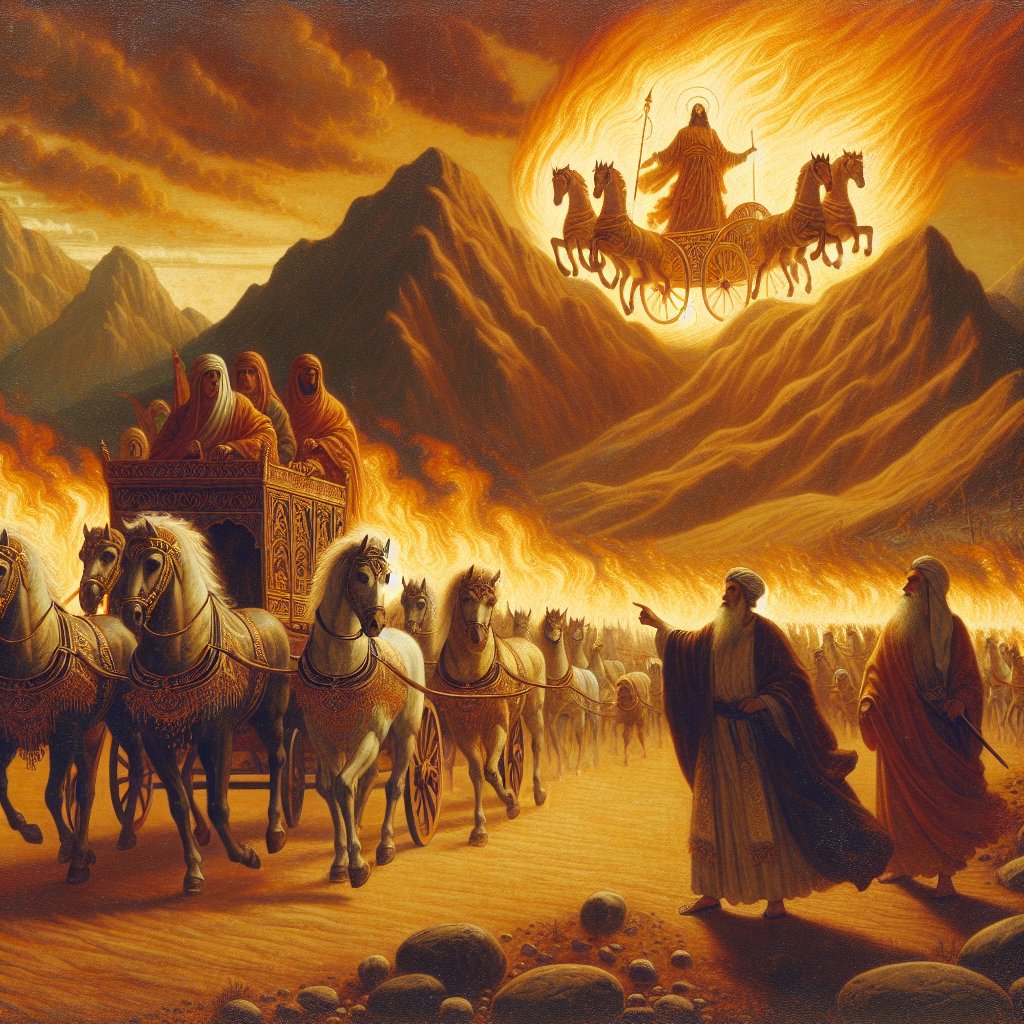
When the King of Aram sends a massive army to capture Elisha at Dothan, the situation looks objectively hopeless. The servant sees real horses, real chariots, and a real threat. He isn't imagining things; his worldly observation is entirely accurate.
But Elisha responds with words that sound utterly unreasonable to the human mind:
“Do not be afraid, for those who are with us are more than those who are with them.” — 2 Kings 6:16
Then Elisha prays a simple prayer: “O Lord, please open his eyes that he may see.” When the Lord opens the servant's eyes, he sees the mountain full of horses and chariots of fire all around Elisha. The heavenly army didn’t suddenly materialize because Elisha prayed; they were already there. The servant just couldn't see them because he was looking through the eyes of the flesh rather than the eyes of faith.
As ministry leaders, we constantly battle this same spiritual blindness. We look at declining church statistics, cultural hostility, or our own recurring sins, and we despair. But a Theology of the Cross reminds us that God does His best work in the dark, in the hidden places, and through means that look weak to the world. Just as Christ looked utterly defeated on the cross—while actually winning the ultimate victory over sin and death—God’s protective hand is often completely veiled from our natural sight.
Blindness, Mercy, and the Posture of Grace

The story takes an even more fascinating theological turn. As the Aramean army comes down against him, Elisha prays for them to be struck with blindness. He then leads this helpless, blind army straight into Samaria—the capital of their enemies.
When their eyes are opened, the King of Israel immediately wants to use the Law of retribution: “Shall I kill them, my father? Shall I kill them?” (2 Kings 6:21).
But Elisha embodies an unexpected, unreasonable posture of unconditional grace. He tells the king not to kill them, but instead to set bread and water before them, let them eat and drink, and send them back to their master. Elisha prepares a great feast for the very people who came to capture him.
This is a beautiful, Old Testament picture of the Gospel:
- The Law demands that enemies be destroyed.
- The Gospel feeds the enemy at the table of grace.
Because of this act of radical hospitality and unmerited favor, the narrative concludes with a remarkable line: “And the Syrians came no more on raids into the land of Israel.” Grace accomplished what a sword never could.
Practical Application: Living by the Word, Not by Sight
How do we take this Biblical perspective into our daily vocations and leadership roles?
1. Trust the Word Over Your Eyes
When your eyes tell you that your ministry is failing, that your family is fractured, or that the culture is winning, cling to the promise of the Word. God has promised to be with you always, even to the end of the age. Faith trusts the hidden promise of God over the visible chaos of the world.
2. Recognize God’s Hidden Hand in the Ordinary
God rarely sends visible chariots of fire into our daily lives. Instead, He hides His hand in ordinary things. He hides His grace in water, bread, and wine. He hides His care for the world in you—through our ordinary vocations as a pastor, teacher, construction worker, accountant, leader, neighbor, parent, or friend. We are the mask God wears to care for His creation.
3. Lead with a Feast of Grace
When people oppose us or push back against our leadership, our old Adam wants to strike back. But we are called to the way of the cross. Unreasonable hospitality means setting a table of grace for those who stress us out, listening to those who disagree with us, and leading with absolution rather than judgment.
Final Thoughts: The Unseen Reality
This is address to Shepherds. You do not need to panic about the future of the Church or the anxieties of our lives. The mountain is already full of horses and chariots of fire. Christ has already conquered sin, death, and the devil.
The next time you feel surrounded by the pressures of leadership, stop, breathe, and remember Elisha’s prayer. Lord, open our eyes. Help us to see that your hand is at work, your grace is sufficient, and those who are with us are always more than those who are against us.
Discussion Questions for Leadership Teams
- What are the specific "Aramean armies" (anxieties, metrics, cultural pressures) that cause our team to panic and ask, "What shall we do?"
- How does shifting from a "Theology of Glory" (judging God by visible success) to a "Theology of the Cross" change how we view our current ministry challenges?
- What does it look like practically for our congregation to "set a table of grace" for our community and neighbors, rather than leading with a posture of defense or judgment?